



Revolutionizing Healthcare Through AI‑Powered Mobile Apps
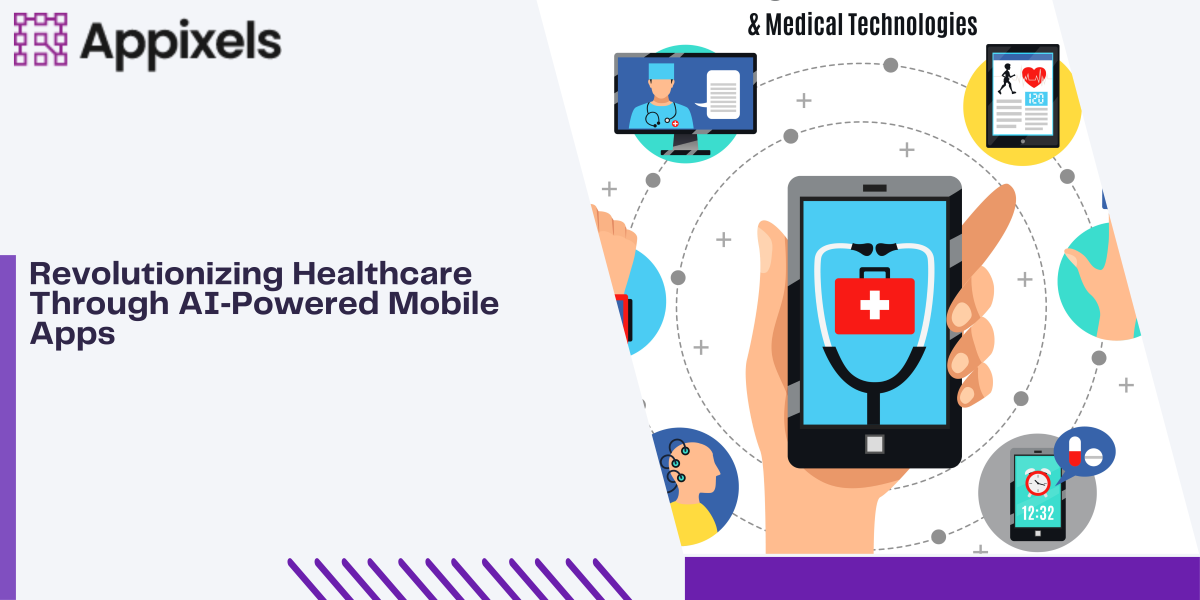
Healthcare is undergoing a seismic shift. With the rise of AI‑powered mobile applications, hospitals, clinics, and wellness platforms are moving beyond traditional care models. These apps combine machine learning, predictive analytics, and natural language processing to deliver smarter, faster, and more personalized healthcare experiences.
AI doesn’t just automate — it augments human expertise, enabling doctors to make data‑driven decisions and patients to manage their health proactively.
🩺 How AI Enhances Patient Engagement
AI‑powered mobile apps bridge the gap between patients and providers. Through smart reminders, personalized notifications, and interactive dashboards, users stay informed and motivated.
- Chatbots and Virtual Assistants: Offer instant responses to medical queries, appointment scheduling, and medication reminders.
- Gamification: Encourages healthy habits through reward systems and progress tracking.
- Behavioral Insights: Machine learning models analyze user patterns to suggest lifestyle improvements.
This continuous engagement leads to better adherence to treatment plans and improved long‑term outcomes.
🔬 AI in Diagnostics and Preventive Care
AI algorithms can process medical images, lab results, and patient histories faster and more accurately than traditional methods. For example:
- Radiology Apps: Detect anomalies in X‑rays or MRIs with precision.
- Predictive Health Models: Forecast disease risks based on genetic and environmental data.
- Early Intervention Tools: Alert physicians when patterns indicate potential complications.
Such innovations are not replacing doctors — they’re empowering them with deeper insights and faster decision‑making.
💬 Mental Health and Emotional Well‑Being
AI‑driven apps are also transforming mental health care. They provide cognitive behavioral therapy (CBT) exercises, mindfulness sessions, and mood tracking.
- AI Chat Support: Offers empathetic, real‑time conversation for users experiencing anxiety or depression.
- Mood Analytics: Detects emotional trends and recommends coping strategies.
- Accessibility: Makes mental health support available to users who might not seek traditional therapy.
This democratization of care ensures mental wellness becomes part of everyday healthcare.
⚙️ Operational Efficiency for Healthcare Providers
AI doesn’t just benefit patients — it streamlines operations for healthcare institutions:
- Automated Scheduling: Reduces administrative workload.
- Smart Billing Systems: Detect anomalies and prevent errors.
- Electronic Health Record (EHR) Integration: Ensures seamless data flow between departments.
By minimizing manual tasks, AI allows professionals to focus more on patient care and less on paperwork.
🔐 Challenges and Ethical Considerations
Despite its promise, AI in healthcare faces challenges:
- Data Privacy: Sensitive health data must be protected through encryption and compliance with HIPAA‑like standards.
- Algorithmic Bias: Models must be trained on diverse datasets to avoid skewed outcomes.
- Regulatory Oversight: Governments and institutions need clear frameworks for AI validation and accountability.
Responsible innovation ensures that AI remains a tool for empowerment, not exploitation.
🚀 The Future of AI‑Driven Healthcare
The next decade will see AI‑powered apps evolve into comprehensive health ecosystems. Integration with IoT devices, wearable sensors, and telemedicine platforms will create a seamless flow of data between patients and providers.
Imagine a world where your smartwatch detects irregular heart rhythms, your mobile app alerts your doctor, and AI predicts potential cardiac risks — all in real time. That’s not science fiction; it’s the future unfolding today.
🧩 Conclusion
AI‑powered mobile apps are revolutionizing healthcare by merging technology, empathy, and intelligence. They empower patients, assist doctors, and optimize operations — creating a healthcare system that’s smarter, faster, and more human‑centric.
As innovation accelerates, the question isn’t whether AI will transform healthcare — it’s how far it will go in redefining the boundaries of care.
Tags:
